
For thousands of years, humans have looked up at the night sky and wondered: Can Humans Live Anywhere Except Earth? It’s one of the biggest questions in astronomy, space exploration, and even philosophy. As technology advances and our curiosity expands, the dream of becoming an interplanetary species feels closer than ever. stay with Spaceyv
But what would it actually take for humans to live beyond Earth — and is it truly possible?
Let’s explore the science, challenges, and future possibilities of human life in space.
🌍 Why Earth Is So Perfect for Life
Before exploring other worlds, it’s important to understand why Earth is so special — and why no other planet has yet matched it.
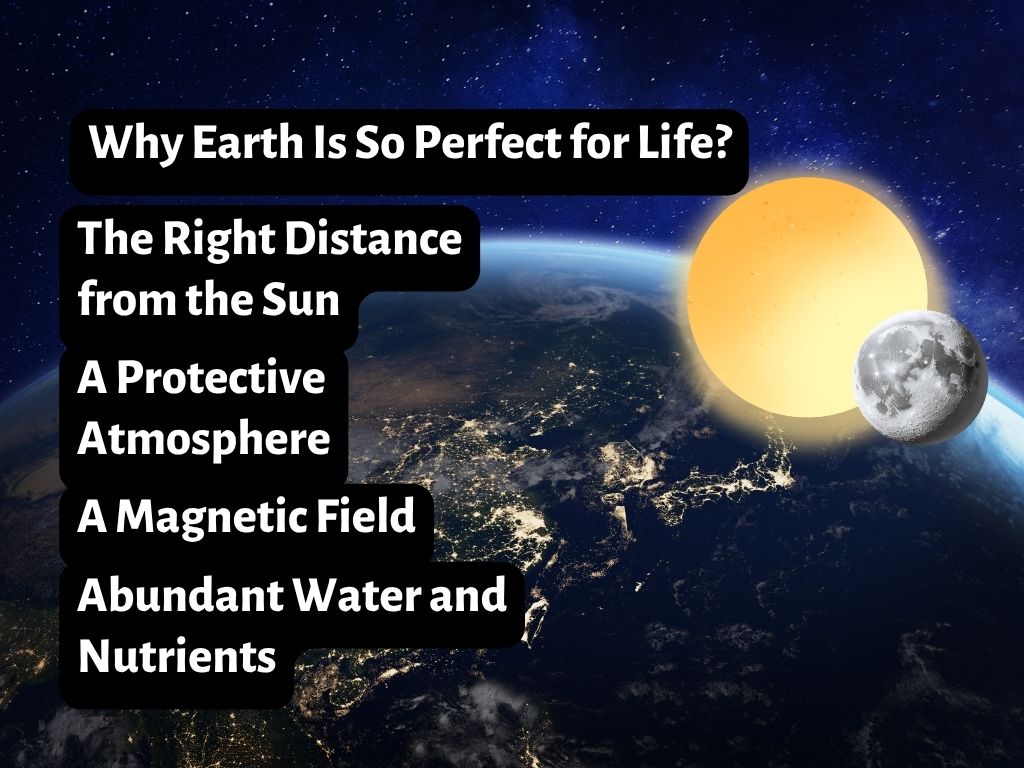
1. The Right Distance from the Sun
Earth orbits in the “habitable zone”, also known as the Goldilocks Zone — not too hot, not too cold. This distance allows liquid water to exist, which is essential for life as we know it.
2. A Protective Atmosphere
Earth’s atmosphere shields us from deadly solar radiation, regulates temperature, and provides the oxygen we breathe. Without it, survival would be impossible.
3. A Magnetic Field
The magnetosphere deflects charged particles from the Sun, protecting life from harmful cosmic radiation. Most other planets either lack one or have a weak field.
4. Abundant Water and Nutrients
Our planet is full of liquid water, rich minerals, and carbon-based chemistry — the building blocks of life.
In short: Earth is perfectly tuned for life. Everywhere else? Not so much.
🚀 Can Humans Live on Mars?
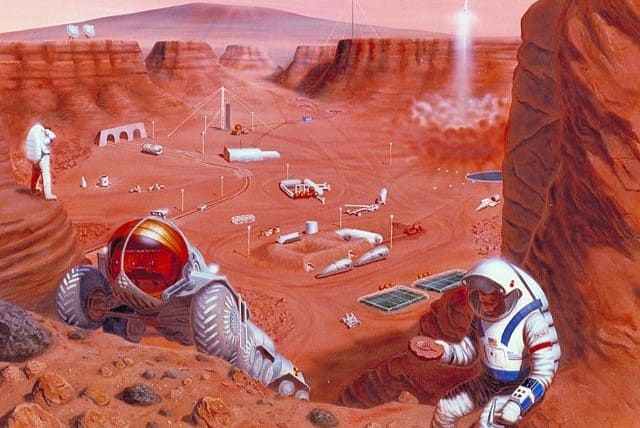
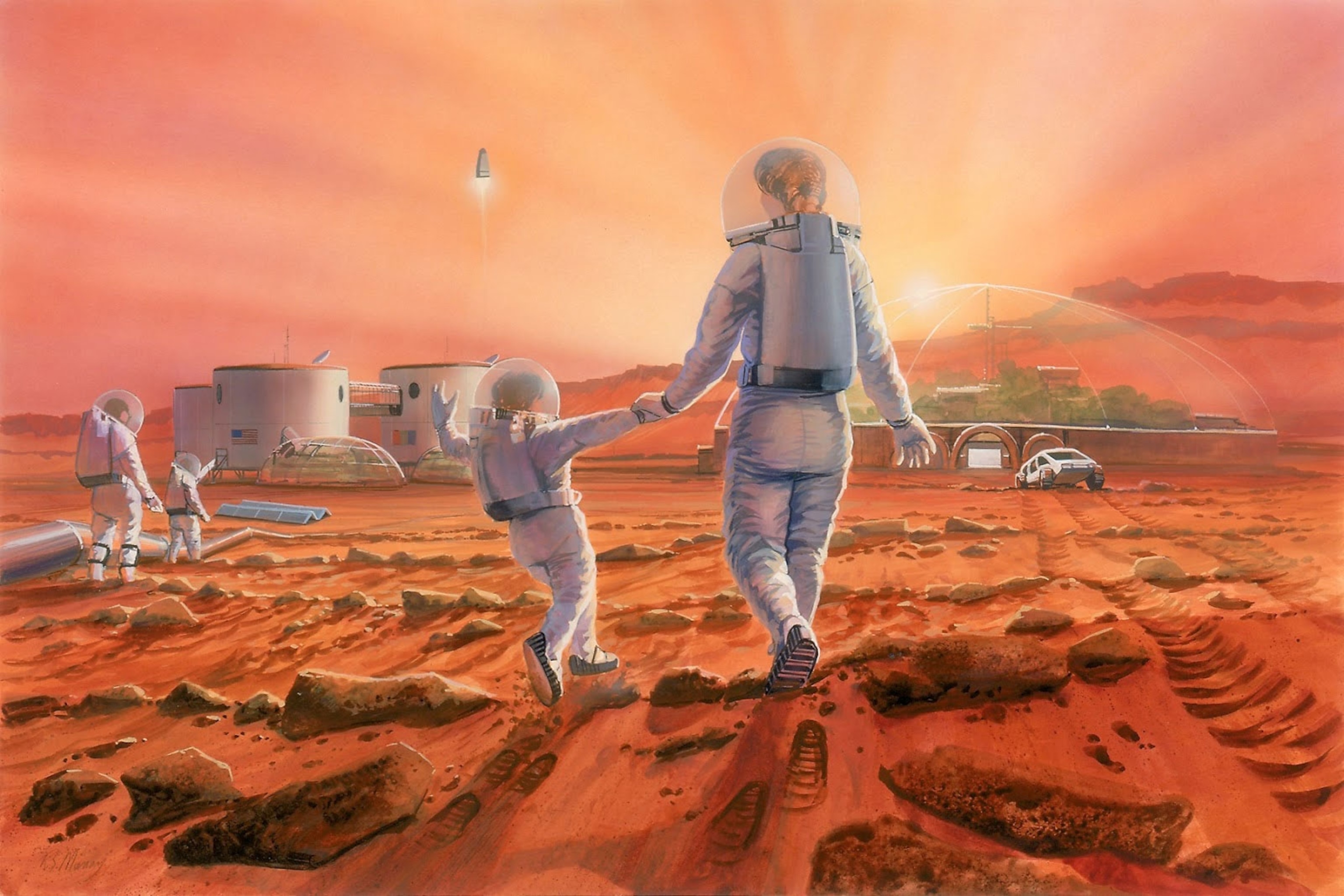
When we think of life beyond Earth, Mars is always the first candidate. It’s close, similar in day length, and has been the focus of countless missions and movies.
🔴 Why Mars Seems Promising
-
A day on Mars is about 24.6 hours — very close to Earth’s.
-
Mars has polar ice caps containing frozen water.
-
It’s the most studied planet after Earth, with several rovers currently exploring its surface.
⚠️ The Harsh Reality
Despite the similarities, Mars is still extremely hostile to humans:
-
Atmosphere: 95% carbon dioxide, with almost no oxygen.
-
Temperature: Averages -63°C (-81°F).
-
Radiation: Without a magnetic field, cosmic rays constantly bombard the surface.
-
Dust storms: Can cover the entire planet for weeks.
🧠 Possible Solutions
Scientists are developing technologies to make Mars livable:
-
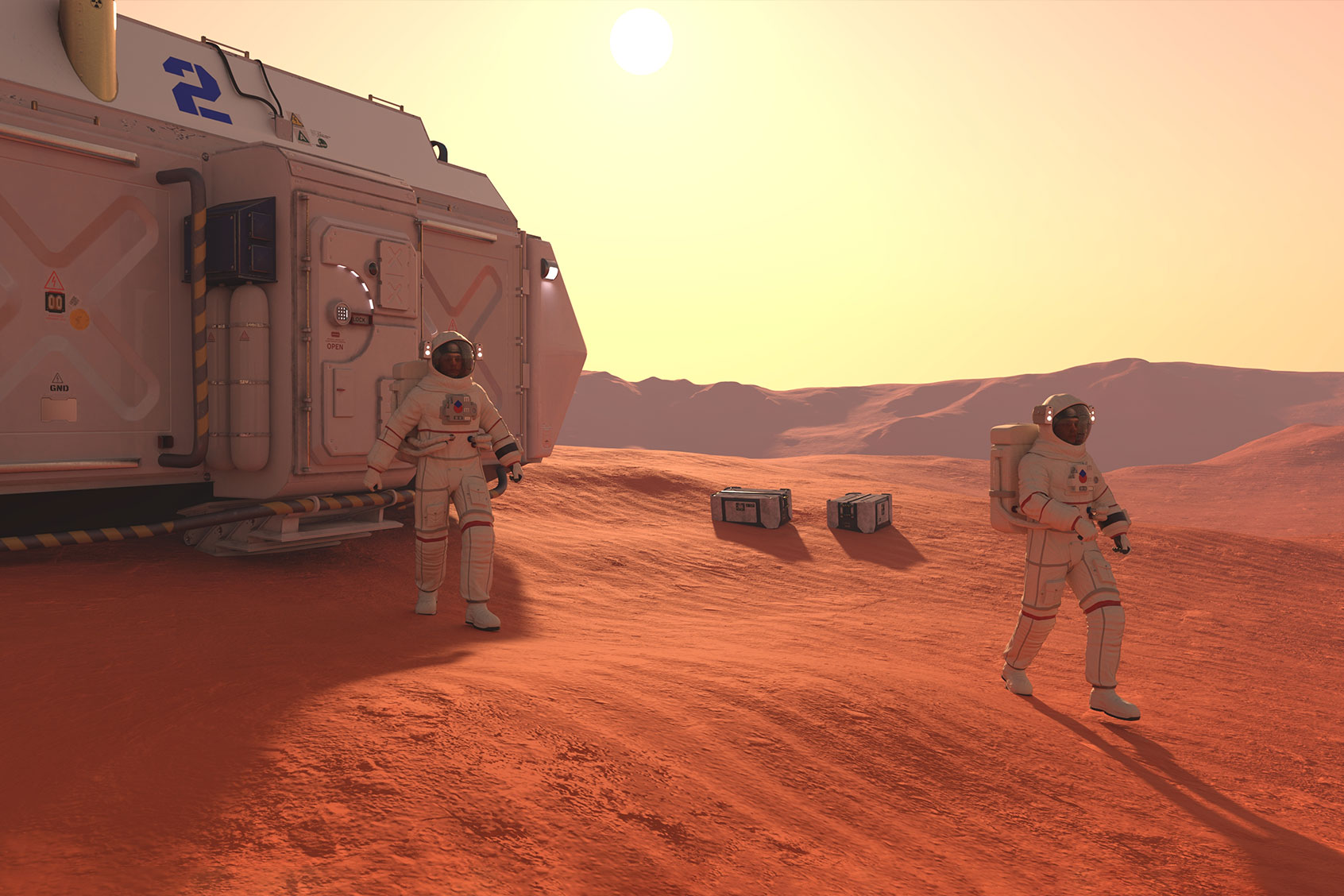
Habitat Domes: Pressurized bases to simulate Earth-like conditions.
-
Water Extraction: Melting underground ice or pulling moisture from the atmosphere.
-
Terraforming (Future Idea): Gradually warming the planet using greenhouse gases — though this could take centuries.
🌱 Current Progress
NASA, SpaceX, and other agencies aim to send humans to Mars within the next few decades. SpaceX’s Starship program envisions long-term colonies on the Red Planet, marking the first step toward interplanetary living.
So, can humans live on Mars?
Not yet — but with advanced technology and decades of preparation, it could happen within our lifetime.
🌑 What About the Moon?
The Moon is humanity’s closest neighbor — only 384,400 km away. It’s airless, silent, and bathed in sunlight and shadow. But could we live there?
🌕 The Benefits
-
Proximity to Earth: Only a few days away — perfect for resupply missions.
-
Stable Gravity: About 1/6th of Earth’s, enough to walk and build structures.
-
Water Ice at the Poles: Discovered in permanently shadowed craters, crucial for drinking water and fuel.
🚫 The Challenges
-
No atmosphere or magnetic field: Total exposure to radiation and micrometeorites.
-
Extreme temperature swings: From +127°C to -173°C.
-
Dust hazard: Lunar dust is sharp and can damage equipment and lungs.
🏠 The Plan
NASA’s Artemis Program plans to build the Lunar Gateway and Artemis Base Camp, allowing astronauts to stay on the Moon for weeks at a time.
Private companies like Blue Origin also imagine lunar habitats made from local materials — potentially using 3D-printed moon dust.
In the long run, the Moon could serve as a training ground for Mars or even a launch point for deeper space missions.
🪐 Could Humans Live on Other Planets or Moons?
Let’s go beyond our immediate neighborhood and explore the outer solar system — places that are fascinating but far more extreme.
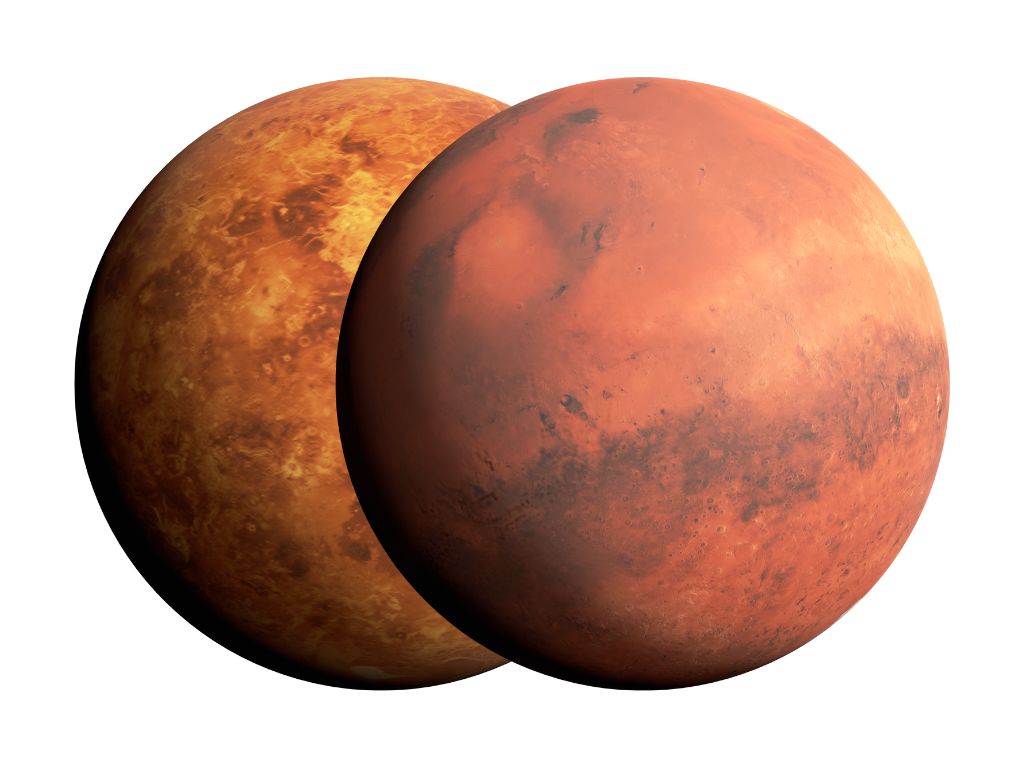
🌋 Venus — Earth’s Evil Twin
Venus is nearly the same size as Earth but far from friendly:
-
Surface temperature: ~475°C (hot enough to melt lead).
-
Atmospheric pressure: 90 times that of Earth.
-
Clouds of sulfuric acid.
However, scientists have proposed floating cities in the upper atmosphere — about 50 km above the surface, where pressure and temperature are more Earth-like.
Still, long-term survival on Venus remains science fiction for now.
🪐 Jupiter’s Moon Europa — The Ocean World
Europa might hide a massive underground ocean beneath its icy crust — possibly containing more water than Earth.
If life exists elsewhere in our solar system, Europa is a top candidate.
Challenges:
-
Extremely cold (-160°C).
-
Constant radiation from Jupiter’s magnetosphere.
Future missions, like NASA’s Europa Clipper (launching 2024), aim to explore its potential habitability.
🧊 Saturn’s Moon Titan — A Methane Wonderland
Titan has lakes and rivers — not of water, but liquid methane and ethane. It also has a dense atmosphere and lower gravity, making flight easy.
With the right technology and protective gear, Titan could support human bases using local materials for fuel and energy.
NASA’s Dragonfly mission, launching in 2028, will explore this alien world’s chemistry and potential for life.
🌠 Beyond the Solar System: Could We Live on Exoplanets?
So far, scientists have discovered over 5,000 exoplanets — planets orbiting stars outside our solar system. Some lie in the habitable zone, meaning they might have liquid water and conditions for life.
🌎 The Closest Hope: Proxima b
Proxima b, orbiting the star Proxima Centauri, is about 4.2 light-years away — the nearest potentially habitable exoplanet.
However, getting there with today’s technology would take tens of thousands of years.
💡 The Challenge of Distance
Even if we found a second Earth, reaching it is the biggest obstacle. Until faster propulsion (like light sails or nuclear drives) becomes real, interstellar travel remains out of reach.
🧬 Could Humans Adapt to Space Itself?
One of the most exciting — and controversial — ideas is that humans might evolve or modify themselves to survive beyond Earth.
🧠 Genetic Engineering and Adaptation
Future humans could be genetically modified to:
-
Survive low gravity
-
Resist radiation
-
Breathe different gas mixtures
This concept, known as transhumanism, could redefine what it means to be human — and make living off-Earth possible.
🌌 The Psychological and Social Side of Space Living
Even if we solve the physical problems, human psychology is a major challenge.
-
Isolation: Long missions can cause depression, anxiety, and loneliness.
-
Communication delays: A message to Mars can take 20 minutes.
-
Culture and community: How would society evolve off-Earth?
Astronauts already train for these stresses — but living permanently in space will require strong mental resilience and community structure.
🏗️ Future Vision: Space Colonies and Artificial Worlds
What if instead of living on another planet, we built our own worlds in space?
🌌 O’Neill Cylinders
Proposed by physicist Gerard K. O’Neill, these are giant rotating habitats that simulate gravity and can house tens of thousands of people — with artificial weather, rivers, and sunlight.
🌞 Space Habitats and Stations
Future space settlements could:
-
Orbit Earth or other planets
-
Be powered by solar energy
-
Grow food through hydroponics
-
Provide sustainable, enclosed ecosystems
It sounds like science fiction — but organizations like Blue Origin and NASA are already designing prototypes.
🌠 The Real Answer: Can Humans Live Anywhere Except Earth?
For now, Earth remains the only truly habitable planet we know.
But humanity’s spirit of exploration never stops.
We may not be able to live freely on Mars or Titan today — but step by step, we’re learning how to survive, adapt, and one day, thrive beyond Earth.
The first generation to live off-world might already be alive today.
🔭 Trusted Sources and Resources
For readers who want to dive deeper, here are reliable resources used in this article:
-
NASA – Human Spaceflight and Exploration: https://www.nasa.gov/topics/humans-in-space
-
European Space Agency (ESA) – Mars and Beyond: https://www.esa.int/Science_Exploration
-
SpaceX – Making Life Multiplanetary: https://www.spacex.com/human-spaceflight
🌎 Final Thoughts from Spaceyv
The question “Can humans live anywhere except Earth?” isn’t just about technology — it’s about imagination, survival, and evolution.
At Spaceyv, we believe exploring space isn’t just about leaving home; it’s about understanding who we are and what’s possible.
Every discovery — from Mars ice to exoplanets — brings us one step closer to proving that the universe might have room for more than one home for humanity.